
Why We Don’t Recommend Polycop Pipes — and What You Should Use Instead
🚫 Why We Don’t Recommend Polycop Pipes — and What You Should Use Instead
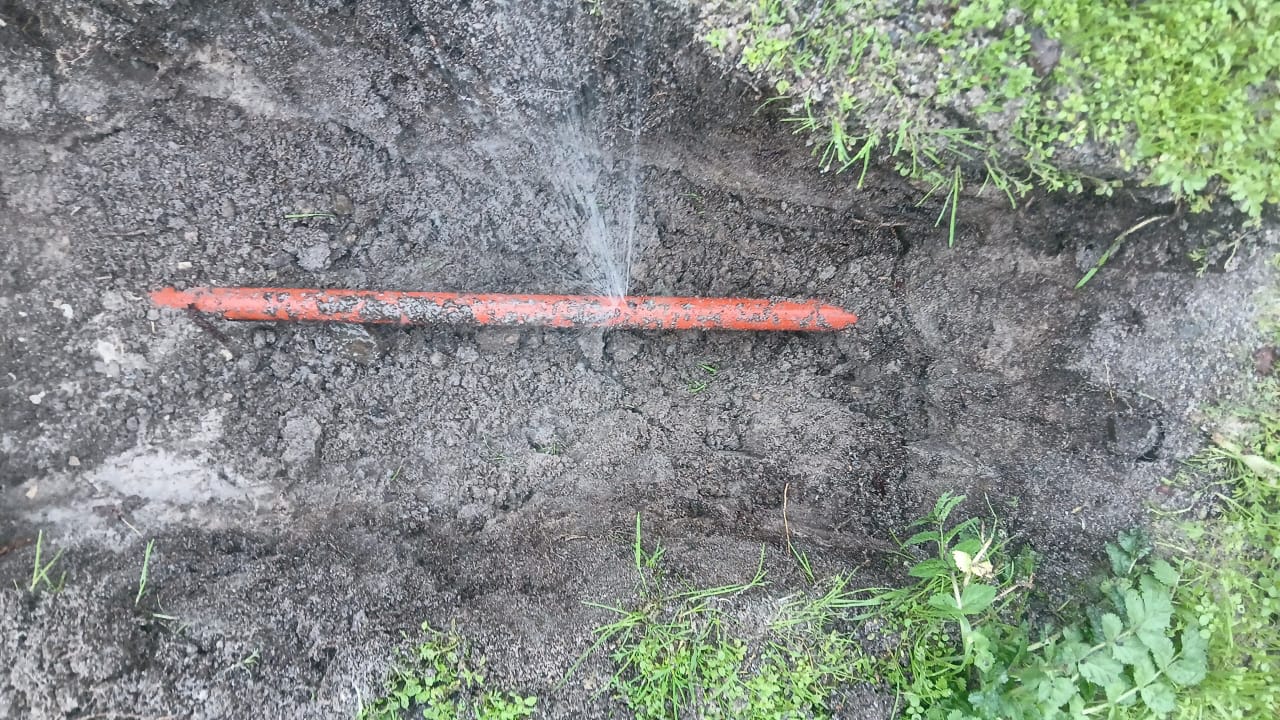
If you’ve ever had a mystery leak in your ceiling or had to chop through concrete to fix a burst water line, chances are you’ve met the culprit: Polycop pipe.
Polycop was once a popular choice for domestic plumbing in South Africa because it was cheap and flexible. But over the years, we’ve seen first-hand that this material simply doesn’t hold up — especially with the lower-quality, non-SABS-approved versions that are still on the market today.
💧 The Problem with Polycop
We deal with Polycop failures almost every week — burst joints, cracked sections, and leaks hidden in ceilings or walls causing major water damage.
Some of the biggest issues include:
- Poor quality pipe: Many are not SABS-approved and can’t handle normal pressure for long.
- Hidden weak points: Small cracks often start at fittings and grow until the pipe fails.
- Unsuitable installations: Polycop buried in concrete or exposed to heat quickly becomes brittle and unreliable.
When these pipes burst, the result can be ceilings collapsing, water running through homes, and costly repairs that could have been avoided.
🔧 The Better Alternatives
If your budget allows, replace Polycop with one of these options:
✅ PEX (cross-linked polyethylene):
Durable, flexible, and resistant to heat — perfect for both hot and cold water lines. It’s ideal where copper might be at risk of theft, as it’s non-metallic and safe to conceal.
✅ Copper:
Still the gold standard for longevity and reliability, provided it’s installed where it won’t be stolen or easily tampered with.
💡 Our Recommendation
At Smooth Systems we don’t stock or install Polycop pipes at all.
If you have an older home or notice orange plastic pipes in your ceiling or walls, it’s worth having them checked. Replacing them with PEX or copper may cost a bit upfront — but it’ll save you thousands in damage and repairs down the line.