
Is my Geyser really burst?
 Ever Wondered Why Your Plumber Says Your Geyser Has Burst — But You Didn’t Hear or See Anything?
When you hear the words “your geyser has burst,” you might picture a ceiling collapsing and water pouring through the lights. While those dramatic photos online do happen, they’re actually the exception, not the rule.
In most cases, a burst geyser doesn’t mean a full-on flood — it usually starts as a small leak inside the tank. A typical household geyser is made up of an inner metal tank, surrounded by insulation and an outer steel casing. Over time, the inner tank starts to rust and corrode.
The speed of corrosion depends on:
-
How hard the water is in your area (high mineral content speeds it up)
-
How often the sacrificial anode is replaced (this protects the tank from rust)
-
And occasionally, a manufacturing fault
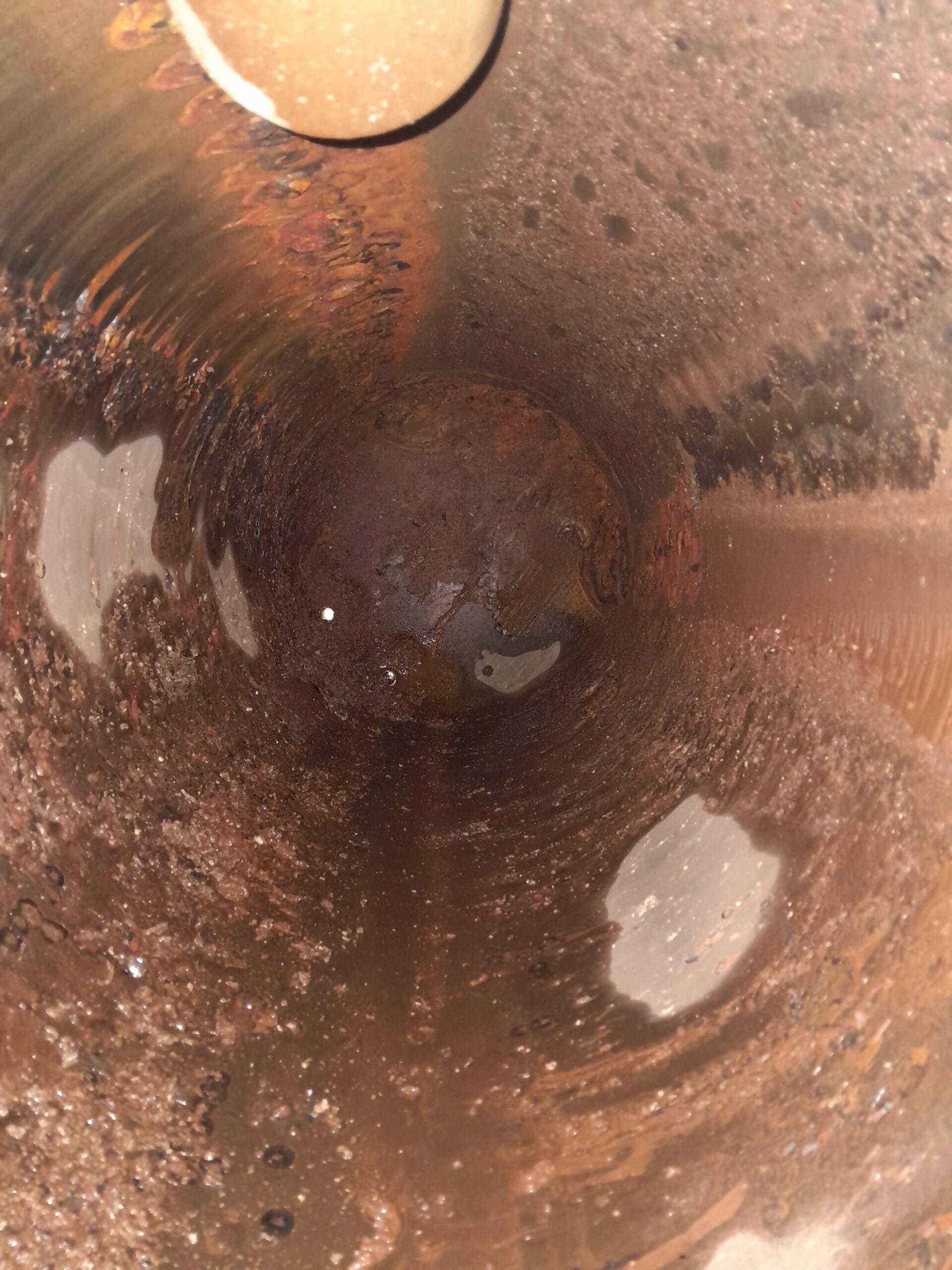
Rust in an inner tank
Once rust eats through the inner tank, water seeps into the insulation and slowly makes its way through the outer casing. What you’ll see is usually just a drip or steady leak, not an explosion of water — though left long enough, it can become that!
How to Spot Early Signs of a Burst Geyser
-
A constant drip from your geyser overflow pipes
-
Discoloured or rusty water coming from your hot taps
-
Reduced hot water pressure
-
Or damp patches around your geyser unit
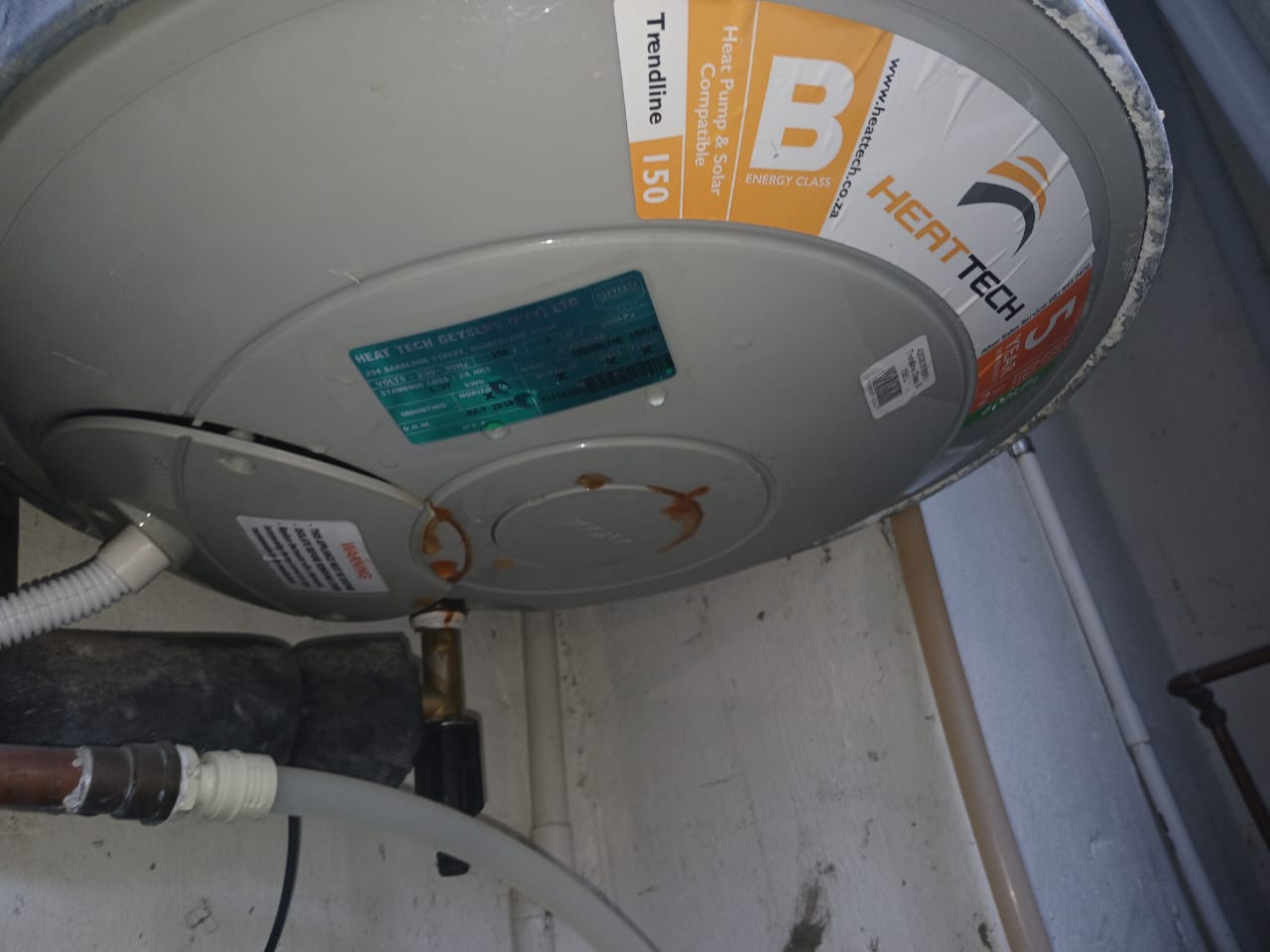
Small drops can indicate a “burst”
If you notice any of these, it’s best to call in a qualified plumber before it turns into ceiling damage or a full geyser replacement.
💧 Pro tip: Regular geyser maintenance and anode replacement can extend your geyser’s lifespan and save you from costly repairs later.